Optimal Timing for Brush Mulching
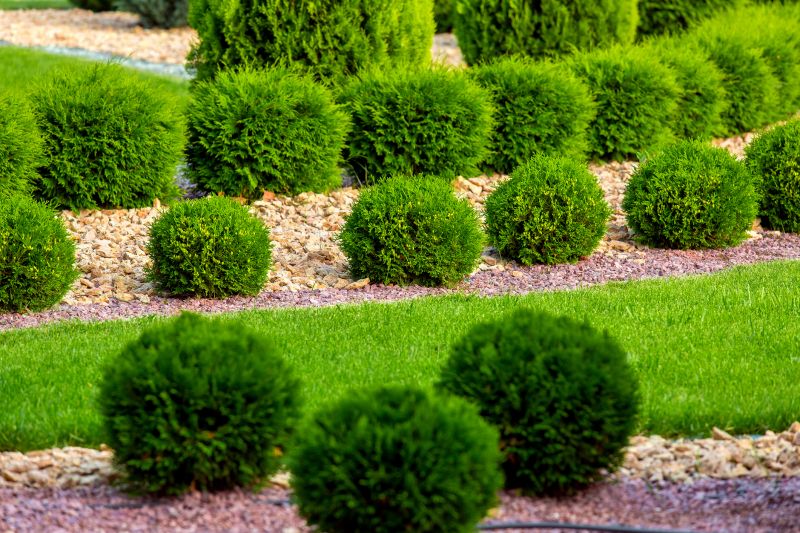
Ways to make Brush Mulchings work in tight or awkward layouts.
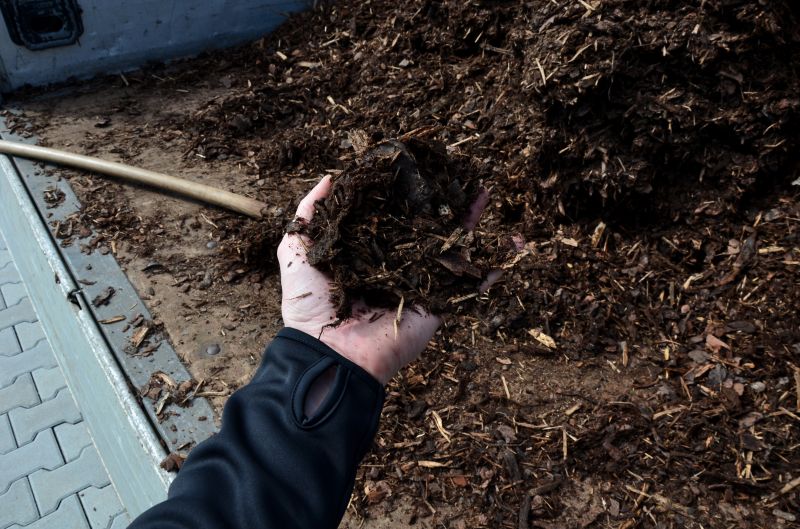
Popular materials for Brush Mulchings and why they hold up over time.
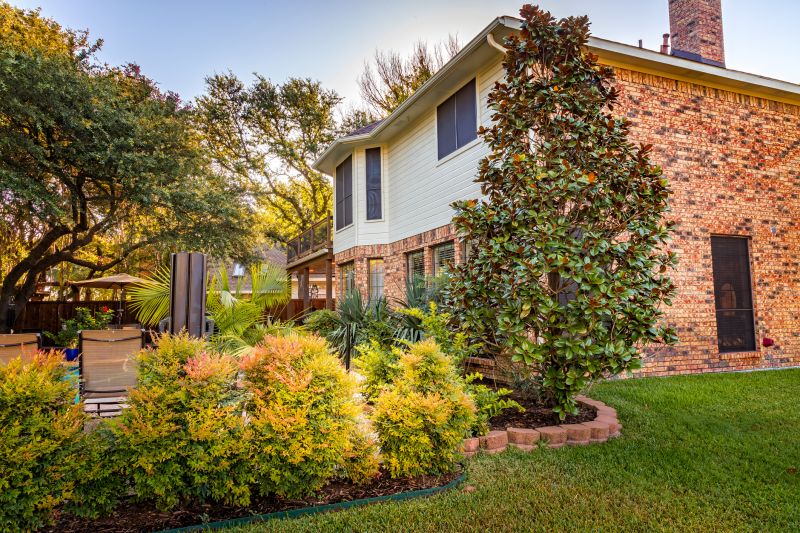
Simple add-ons that improve Brush Mulchings without blowing the budget.
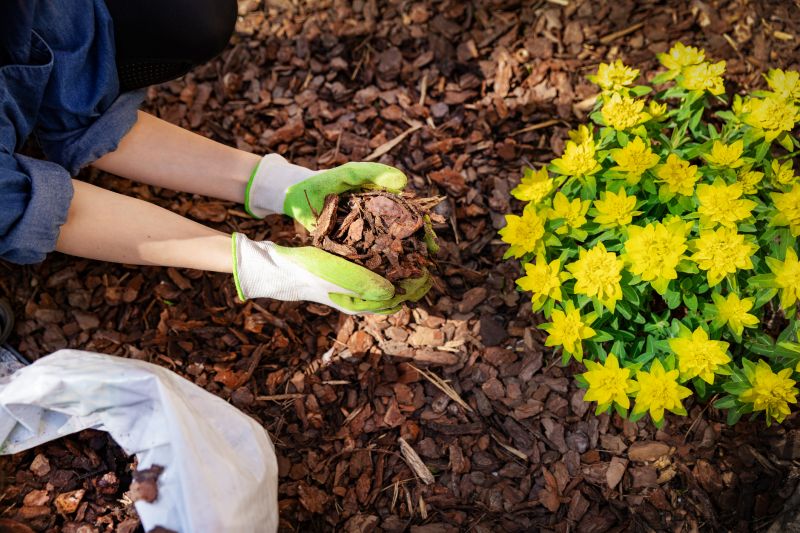
High-end options that actually feel worth it for Brush Mulchings.
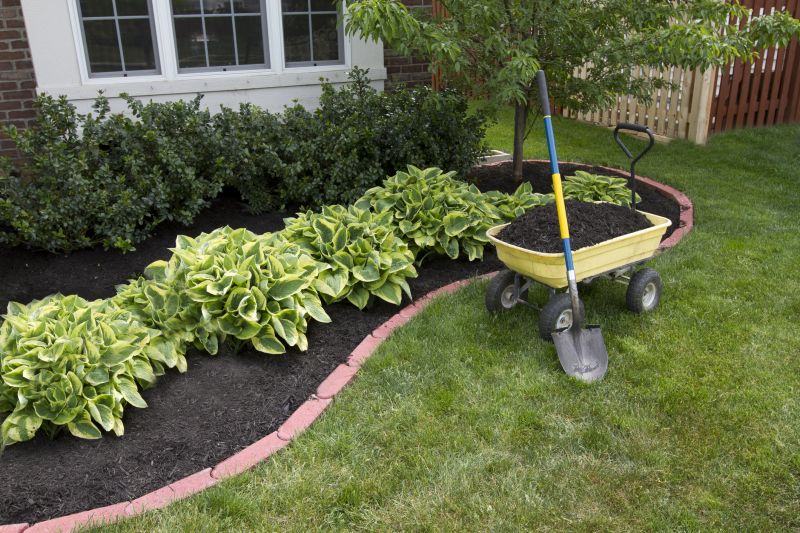
Finishes and colors that play nicely with Brush Mulchings.
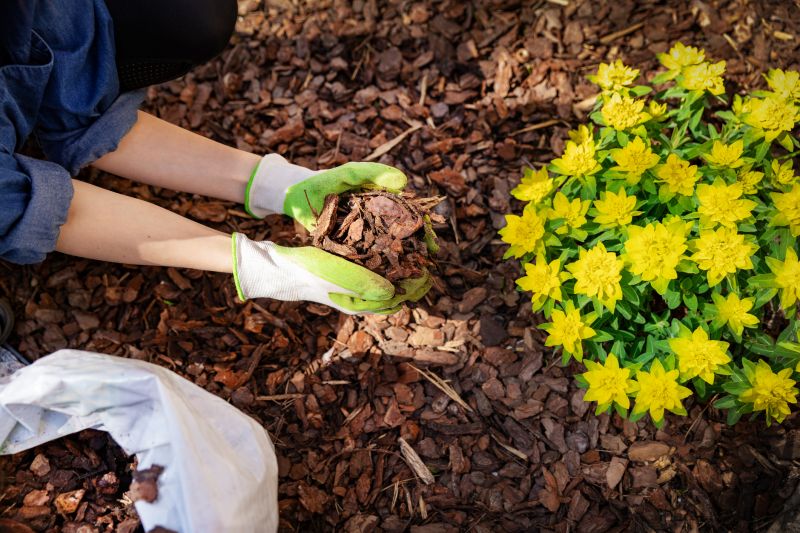
Little measurements that prevent headaches on Brush Mulchings day.
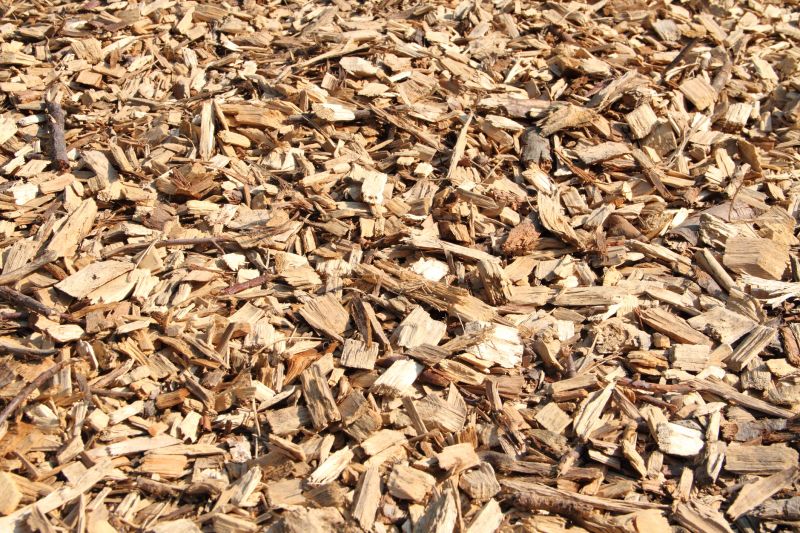
Brush mulchings are a landscaping technique involving the shredding or grinding of brush, shrubs, and small trees to create a uniform ground cover. This method reduces waste, enhances soil health, and provides an attractive, natural appearance. Proper timing of brush mulchings ensures optimal decomposition, weed suppression, and soil stabilization.
Spring and early summer are ideal for brush mulchings, allowing materials to decompose before the colder months.
Performing mulchings during these periods promotes quicker decomposition and minimizes interference with plant growth.
Regions with moderate temperatures and consistent moisture levels support more effective mulchings.
Late fall and winter are less suitable due to slower decomposition rates and potential weather disruptions.
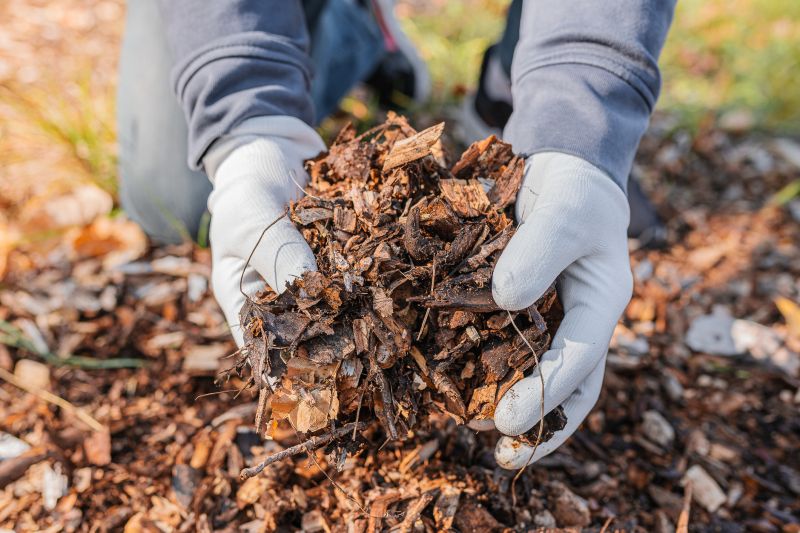
A 60-second routine that keeps Brush Mulchings looking new.
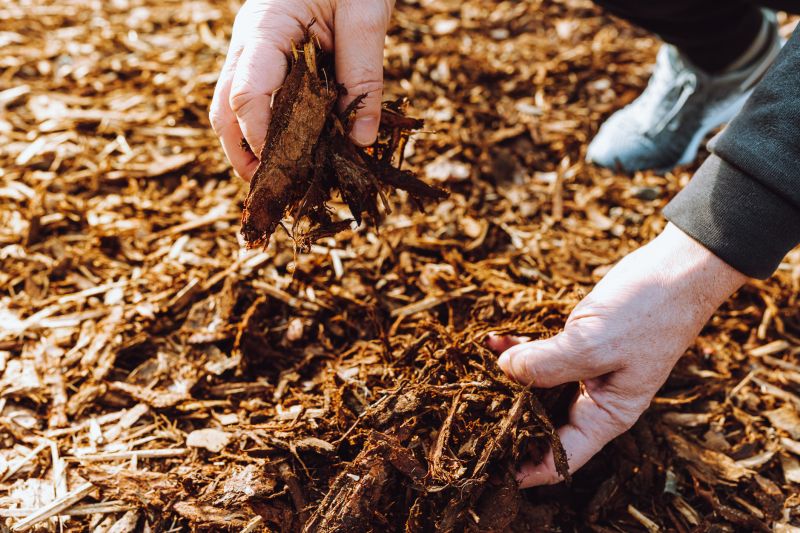
A frequent mistake in Brush Mulchings and how to dodge it.
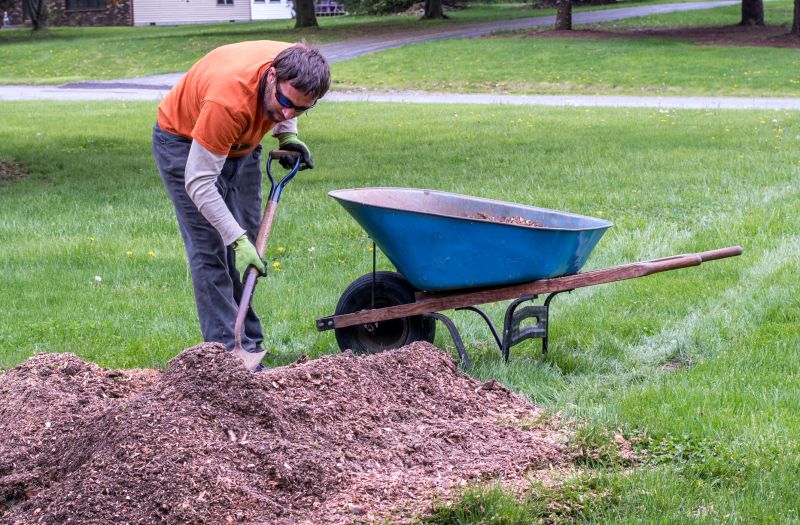
Small tweaks to make Brush Mulchings safer and easier to use.
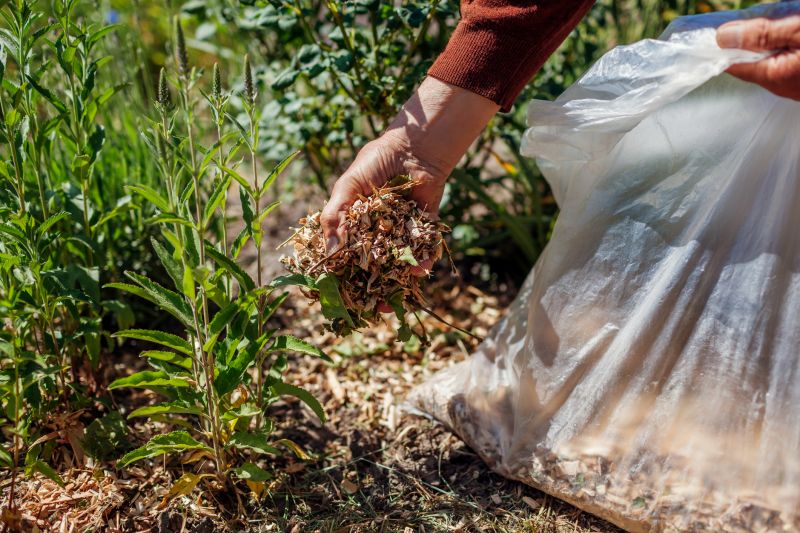
Lower-waste or water-saving choices for Brush Mulchings.
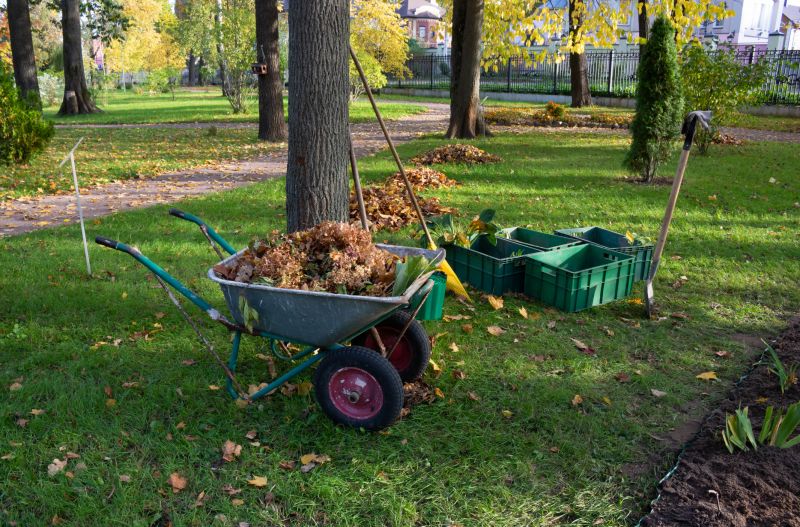
The short, realistic tool list for quality Brush Mulchings.
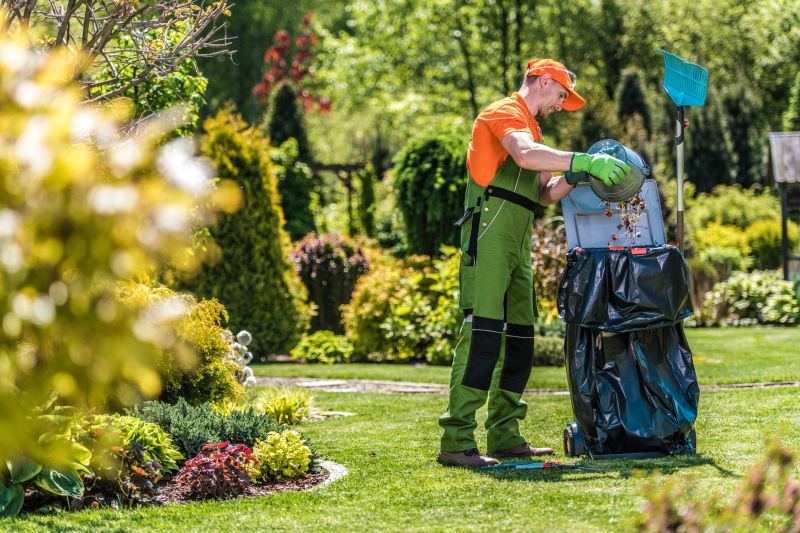
Rough timing from prep to clean-up for Brush Mulchings.
Quick checks and paperwork to keep after Brush Mulchings.
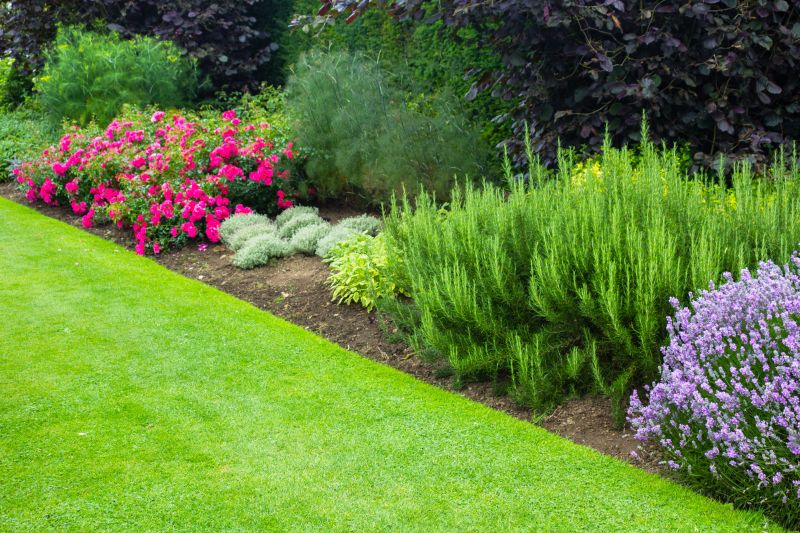
Examples that show the impact a good Brush Mulchings can make.
| Timing Consideration | Details |
|---|---|
| Spring | Ideal for preparation and planting, promotes quick decomposition. |
| Early Summer | Supports ongoing growth and weed suppression. |
| Late Summer | Allows mulch to settle before colder months. |
| Fall | Less ideal due to slower decomposition, but can be used if necessary. |
| Winter | Generally unsuitable because of weather and decomposition rates. |